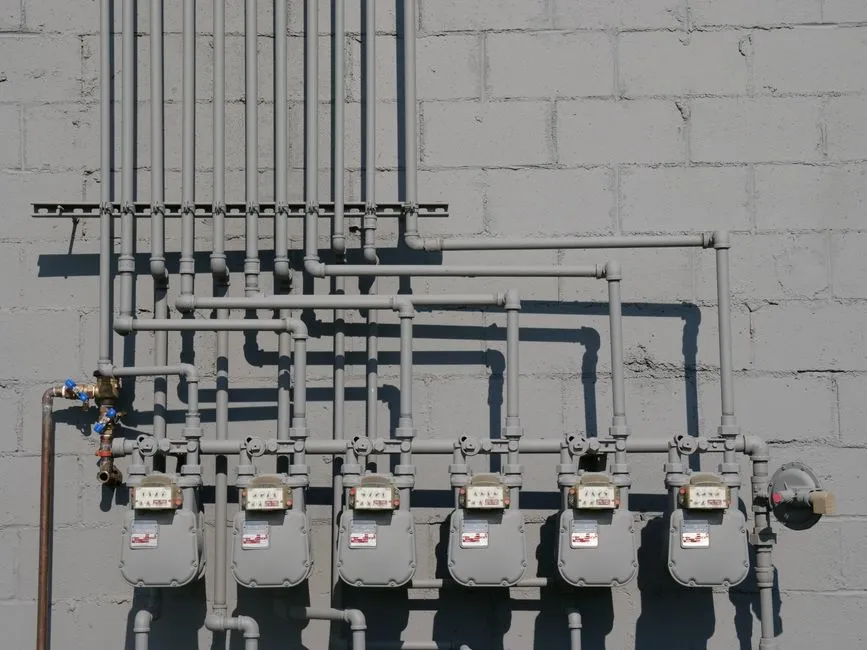
A water heater leaking from the bottom in Kyle, TX usually points to a failing internal tank, a loose pipe fitting, or heavy condensation pooling on the floor. Spotting the wet spot early helps you avoid a flooded utility room and costly structural damage to your home.
Common causes of bottom leaks in water heaters
Water pooling near the base of your unit can stem from several distinct mechanical issues. Figuring out the exact source takes a careful look at the tank and the surrounding plumbing connections.
- Internal corrosion: Rust eats through the steel walls of the tank over time.
- Loose fitting: Inlet and outlet pipe connections can shake free from normal thermal expansion.
- Condensation vs leak: Cold groundwater entering the tank can create heavy moisture runoff.
- Tank failure: Welds and seams fracture permanently after a decade of hard service.
- Valve overflow: The temperature and pressure relief valve drains down a tube that exits near the base.
How to inspect and test the leak source
You can perform a few basic checks before our team arrives to service the unit. Grab a flashlight and a dry towel to trace the moisture trail up the side of the tank.
- Dry the floor: Wipe up all standing water to see where fresh drips land first.
- Check the pipes: Feel the cold and hot water lines above the unit for any dampness.
- Inspect the valve: Look at the pressure relief pipe to see if water trickles out steadily.
- Check the age: Read the serial number sticker to find out how many years the unit has run.
Can a bottom leak be fixed?
The repair path depends entirely on where the water originates. Minor plumbing leaks near the fittings are usually simple to tighten or replace. If you need professional water heater leak repair in Kyle, our plumbers arrive with the correct wrenches and replacement parts.
Internal tank failures require a full system swap rather than a patch job. Steel tanks cannot be welded once the inner lining rusts through. When your unit reaches this stage, schedule hot water heater replacement in Kyle to restore your home's hot water supply safely.
How to prevent premature water heater leaks
Routine upkeep extends the operating life of your water heating equipment. Hard water in this region places extra mineral stress on plumbing parts every single day.
- Flush the tank: Drain sediment buildup once a year to protect the bottom heating elements.
- Check the anode rod: Replace this sacrificial metal rod every three to five years to stop rust.
- Lower the temperature: Keep the thermostat at 120 degrees to reduce internal mineral scaling.
- Test safety valves: Lift the pressure relief lever annually to ensure it moves freely.
Common mistakes to avoid
Homeowners often make costly errors when dealing with surprise puddles in the garage or utility closet. Quick reactions save you from bigger repair bills down the road.
- Ignoring small drips: Tiny puddles quickly turn into major floods when metal gives way.
- Applying sealants: Liquid patch products cannot hold back the pressurized water inside a tank.
- Delaying power shutoff: Leaving a leaking electric unit powered on risks damaging the wiring.
- Skipping professional diagnostics: Guessing at the root cause leads to wasted money on unneeded parts.
When to call a professional
Call our technicians right away if water pools continuously around the base of your tank. Severe leaks require expert water heater leak repair services in Kyle, TX to protect your floors and walls.
Related guide: Tankless Water Heater Repair in Kyle: Can Your Unit Be Saved?
Frequently Asked Questions
Why does water pool at the bottom of my water heater?
Can a bottom leak on a water heater be fixed?
How long do water heaters typically last in Kyle, TX?
Is a water heater leaking from the bottom an emergency?
How can I tell if the water is a leak or condensation?
Get help with Tankless Water Heater Repair in Plum Creek
Need a hand? Our Tankless Water Heater Repair in Plum Creek team is close by. Call (512) 555-0147 or request a free estimate from Kyle Tankless Pros.