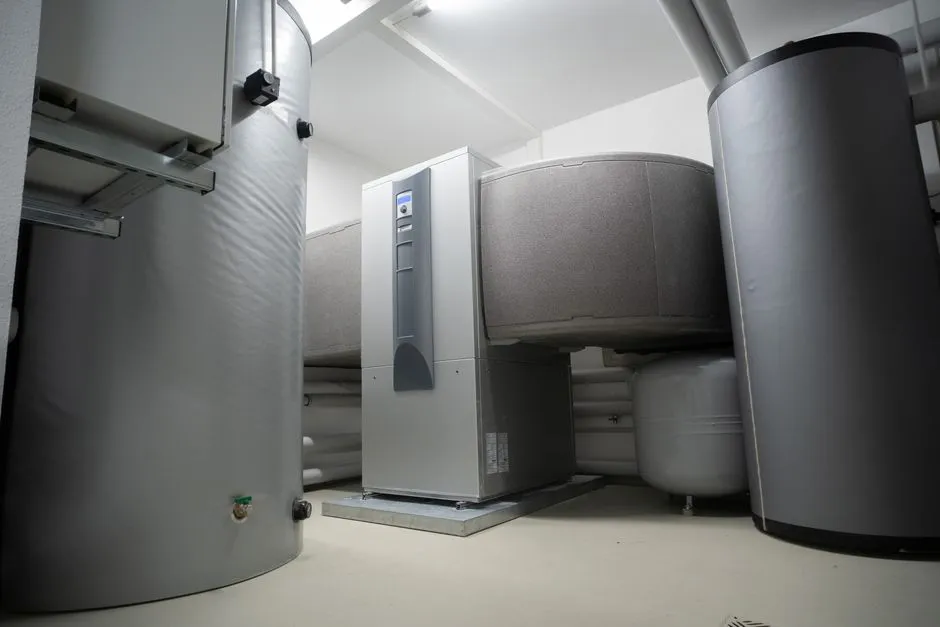
You should flush out a tankless water heater every twelve months in Texas. Homes in Kyle deal with very hard water containing heavy calcium and magnesium minerals. These minerals drop out of solution inside the heat exchanger rapidly because groundwater here carries high sediment loads. Local Kyle homeowners often deal with sudden lukewarm showers because heat transfer slows down rapidly. Our plumbing service includes a complete scale flush to clear out mineral blockages. This is ideal for homeowners in Kyle who want to protect expensive equipment from premature failure. Ignoring this can lead to cracked heat exchangers and very expensive emergency replacements. Factors such as water hardness levels and daily household usage can affect the price of your service. Call us today for reliable water heater maintenance in Kyle.
Common signs of mineral buildup in your system
Scale accumulation restricts water flow and ruins efficiency. You will notice clear symptoms around the house when your unit needs a descale procedure. A typical household in Bunton Creek might hear strange rumbling noises from the garage utility wall when the burner fires up. Scale acts like a heavy blanket over the internal copper pipes. That mineral blanket stops the gas burner from heating incoming groundwater quickly. You might wait five extra minutes just to get warm water in your kitchen sink.
- Error codes: Digital display panels often flash specific maintenance warnings when scale blocks flow sensors.
- Lukewarm water: Heavy mineral layers insulate the burner from incoming cold water streams.
- Loud noises: Banging or rumbling sounds indicate trapped steam bubbles inside scaled-up pipes.
- Pressure drops: Thicker sediment deposits choke off hot water delivery fixtures throughout the bathroom.
- Longer delays: Faucets take extra minutes to heat up because scale slows thermal transfer rates.
How to flush a tankless unit step by step
Descaling requires an isolation valve kit, a small utility pump, and food-grade white vinegar. Do not use harsh chemical acids that eat through copper heat exchangers. Our service technicians follow a strict process to protect your plumbing lines from leaks. We connect specialized hoses to the service ports on your wall-mounted unit. The process takes about an hour from start to finish. This work involves isolating the tank, circulating food-grade acid safely, and rinsing the lines with fresh water.
- Shut power: Turn off the electrical breaker and gas supply before touching any plumbing lines.
- Close valves: Isolate the hot and cold water lines by turning the service handles perpendicular.
- Connect hoses: Hook up discharge hoses from your descaling bucket to the hot and cold service ports.
- Circulate vinegar: Run the submersible pump with pure white vinegar through the system for forty-five minutes.
- Rinse thoroughly: Flush clean water through the heat exchanger before opening your main water valves again.
How to prevent scale damage between flushes
Hard water is a permanent fixture of local soil conditions across Central Texas neighborhoods. You can slow down mineral accumulation by installing proper pre-filtration equipment ahead of the inlet pipe. Ground minerals in our area attach to copper coils very easily when temperatures rise above 120 degrees. Adding a whole-house water softener stops this mineral bonding process right at the main meter. Local water heater repair Kyle experts recommend these extra filters for all homes on well water. You will save money on major plumbing repairs over the long run. Our emergency water heater service in Kyle team handles this work every week.
- Sediment filters: Catch dirt particles before they enter the heat exchanger coils.
- Water softeners: Remove calcium ions upstream from the main plumbing manifold entirely.
- Annual servicing: Schedule routine water heater maintenance in Kyle to catch scale early.
- Lower temperature: Set your thermostat below one hundred twenty degrees to reduce mineral bonding speed.
Common mistakes to avoid during flushing
DIY maintenance can easily damage sensitive plumbing parts if you skip critical safety checks. Avoid these frequent errors to protect your equipment investment. Many homeowners use hardware store drain cleaners instead of safe white vinegar. Those harsh chemicals eat through rubber gaskets and brass fittings in minutes. Always double-check your valve positions before turning the main power back on. Dry firing a tankless unit ruins the internal computer board instantly.
- Wrong fluids: Bleach or chemical drain cleaners corrode internal seals and ruin heat exchangers.
- Live power: Running a dry pump while the heating elements are energized causes instant part failure.
- Closed ports: Forgetting to open the isolation valves after the flush cracks pipes from pressure spikes.
- Skipping filters: Leaving the inlet screen clogged starves the flushing pump of vital water flow.
When to call a professional
Some maintenance problems require specialized plumbing tools and commercial-grade descaling solutions. If your unit leaks from the housing or trips breakers during startup, you need expert help. Call our crew for emergency water heater service services in Kyle, TX when your hot water stops completely on a freezing night. We also provide reliable tankless water heater repair in Kyle if scale has already burned out your internal flow control valves. Our local team carries the exact replacement parts needed for popular brands like Navien and Rinnai. You can trust our crew to get your hot water running again safely today. For a firm price, ask about our emergency water heater service services in Kyle, TX.
Related guide: 5 Signs You Need Emergency Water Heater Service in Kyle
Frequently Asked Questions
Can I use standard vinegar from the grocery store to flush my tankless water heater?
How long does a standard tankless water heater flush take to complete?
What happens if I ignore annual tankless water heater flushing in Kyle?
Do gas and electric tankless water heaters require the same flushing frequency?
Why does my water heater smell strange after a vinegar flush?
Get help with Tankless Water Heater Repair in Six Creeks
Need a hand? Our Tankless Water Heater Repair in Six Creeks team is close by. Call (512) 555-0147 or request a free estimate from Kyle Tankless Pros.